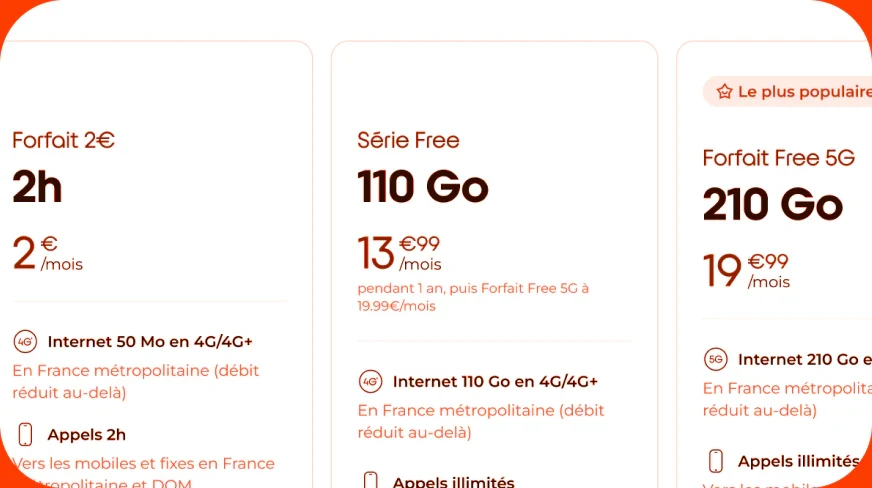
We have more than 30 tools for advisors, it slows down the time to response, therefore customer satisfaction
Context
In 2025, the company underwent a major strategic shift to modernize both technical infrastructure and customer experience. I proactively joined a dedicated task force to audit the internal ecosystem used by advisors across 260+ shops and multiple call centers.
The goal: Conduct a high-speed, nationwide audit to identify friction points and define the strategic roadmap for a unified "Conceptual Tool" to replace the current fragmented system.
The challenge: Just one month to conduct a high-volume discovery across multiple geographic locations.
My approach
With the Product Designer and the PO dedicated to this scope, I implemented a mixed-methods research strategy to capture both broad behavioral trends and deep environmental insights.
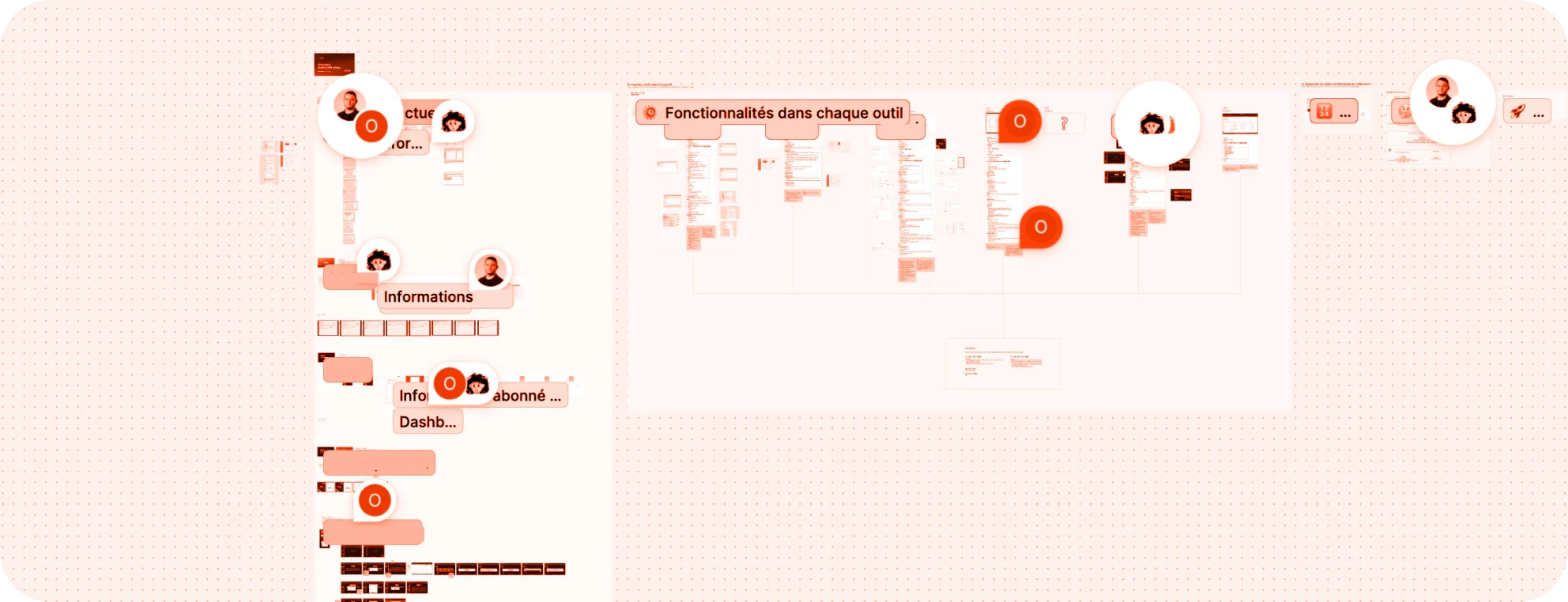
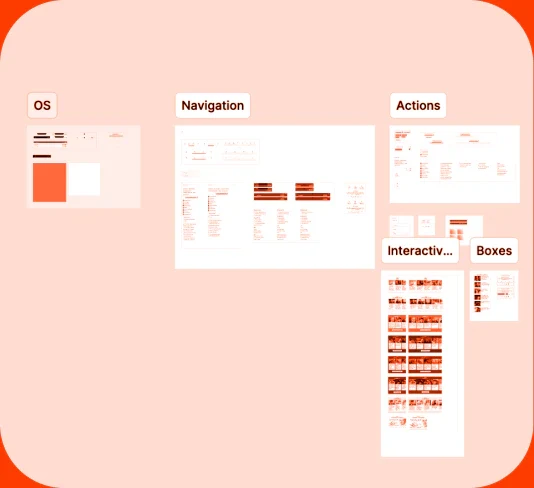
Understanding & synthesizing the context: It started with a lot of internal research to fully understand how many tools existed, what each one was used for, and their history (how and why they were created). We mapped out all these tools to get a clear picture of the current situation and then tackle the issues. Surprisingly, we found out more than 30 different tools across all departments within the company. After discussions about priorities, we decided to focus on 7 of them first which we knew were the most used by advisors.


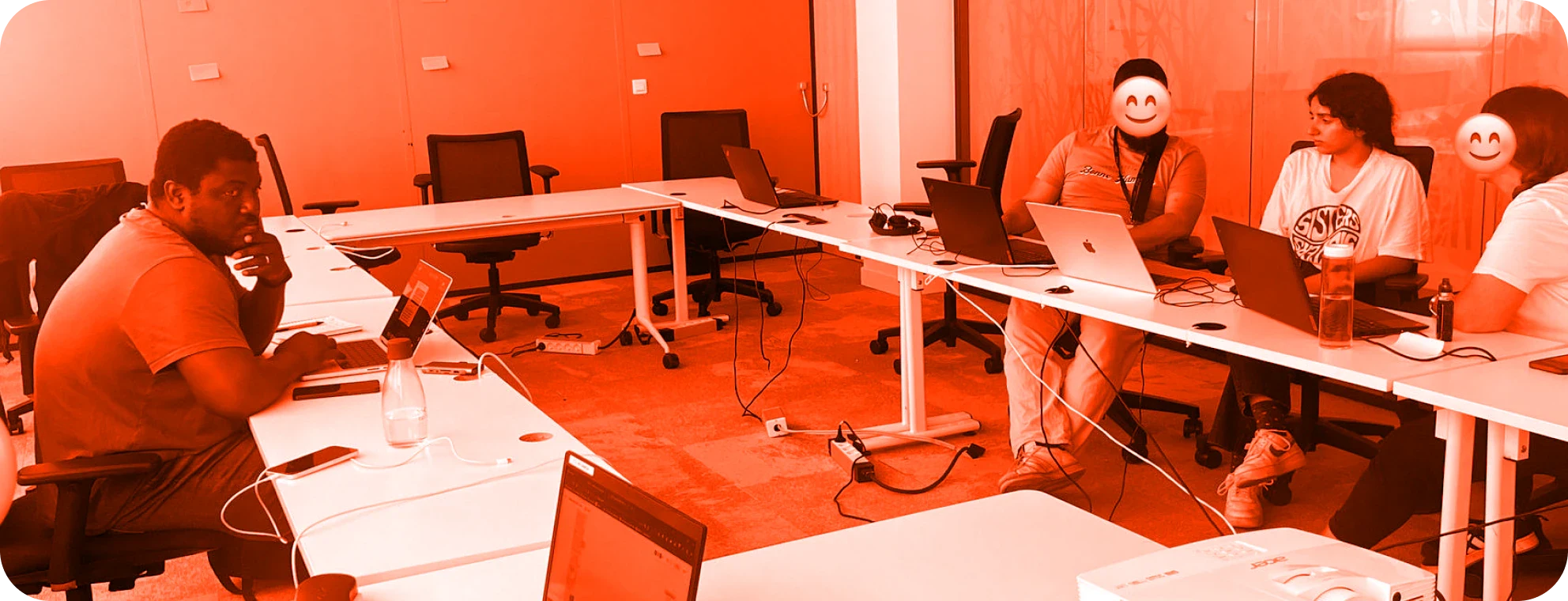
Contextual inquiry & shadowing: We conducted on-site observation in Marseille, Bordeaux, and Paris. By using a dual-headset "wiretap" setup, I monitored live calls to observe how advisors navigated multiple interfaces under pressure. This revealed latent pain points and "shadow IT" habits such as using Google Sheets or digital notes to bypass tool limitations.
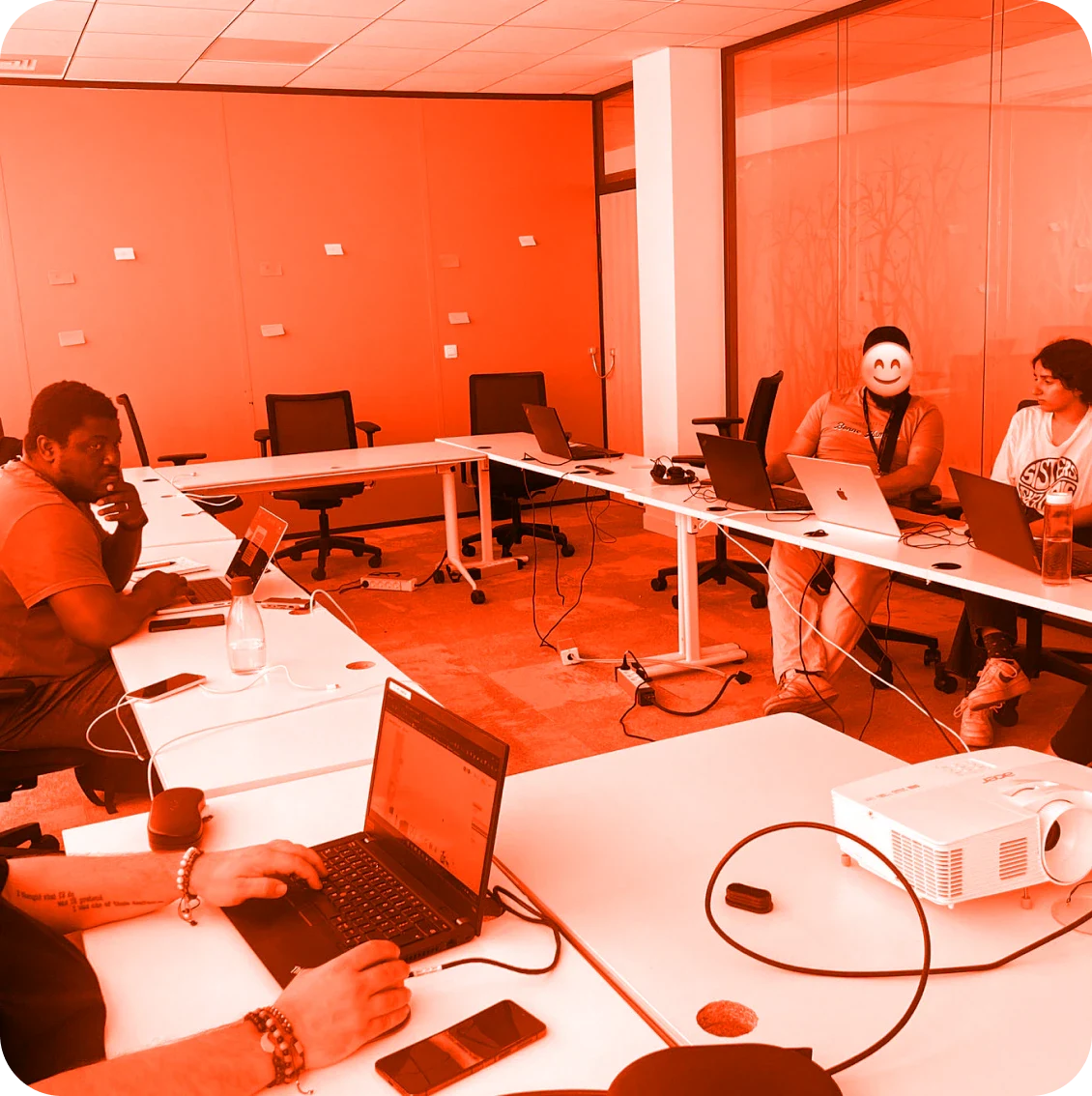
Hybrid qualitative workshops: I co-facilitated 4 discovery workshops with advisors and managers. We used physical collaboration (sticky notes) for high engagement and FigJam for real-time digital synthesis, allowing us to map complex workflows and identify "bottleneck" tools.

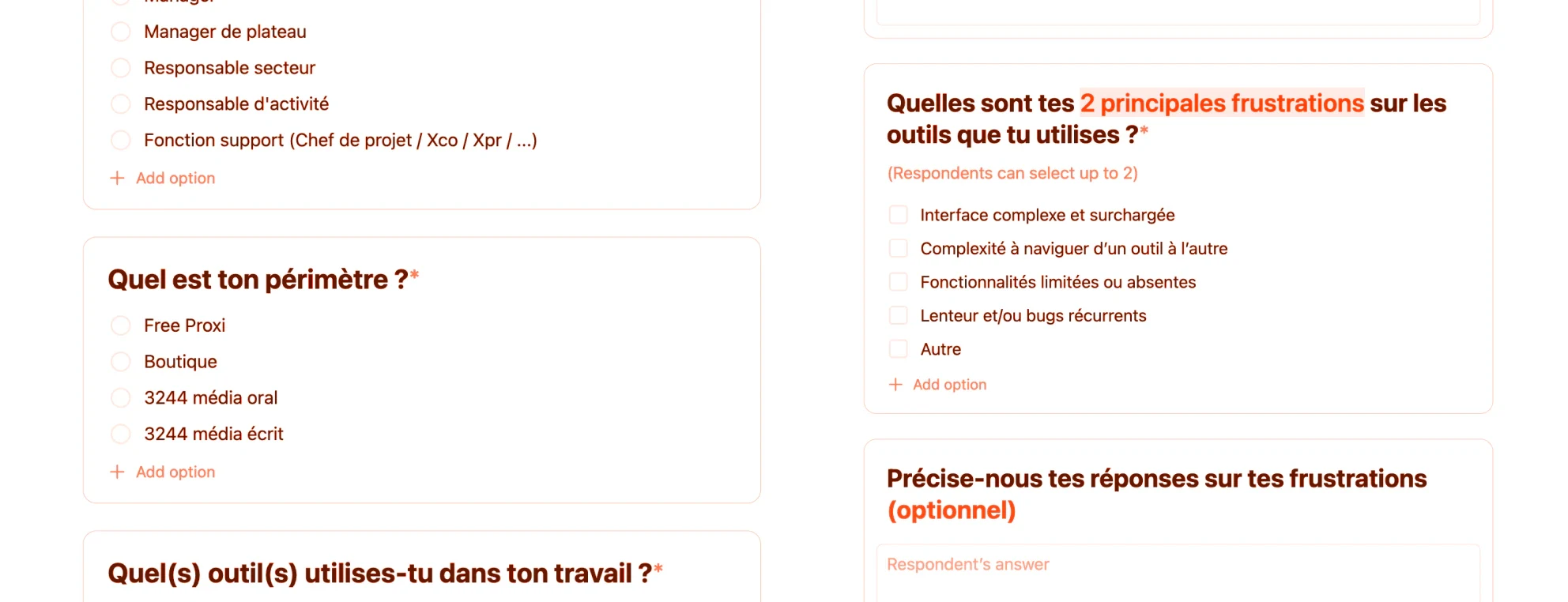
Large-scale quantitative validation: To validate qualitative findings, I deployed a nationwide survey to 1,825 employees.
Data synthesis: We achieved a 35% response rate (630 participants) providing a statistically significant foundation for our recommendations.
Outcomes
Strategic roadmap: Defined the core requirements for a unique advisor platform, moving away from fragmented, poorly connected legacy tools. It moved the internal tool strategy from "assumed needs" to "observed reality", securing stakeholder buy-in for a long-term centralization plan.
Identification of "workarounds": Exposed that advisors were using external tools (like Google Sheets) due to complexity and lack of information from our internal tools, providing a clear UX benchmark for the new tool's simplicity.
Research ops learnings: Evaluated the limitations of our research tools (Notion vs. specialized forms), refining our internal research ops for future strategic phases.